
RECENT POSTS
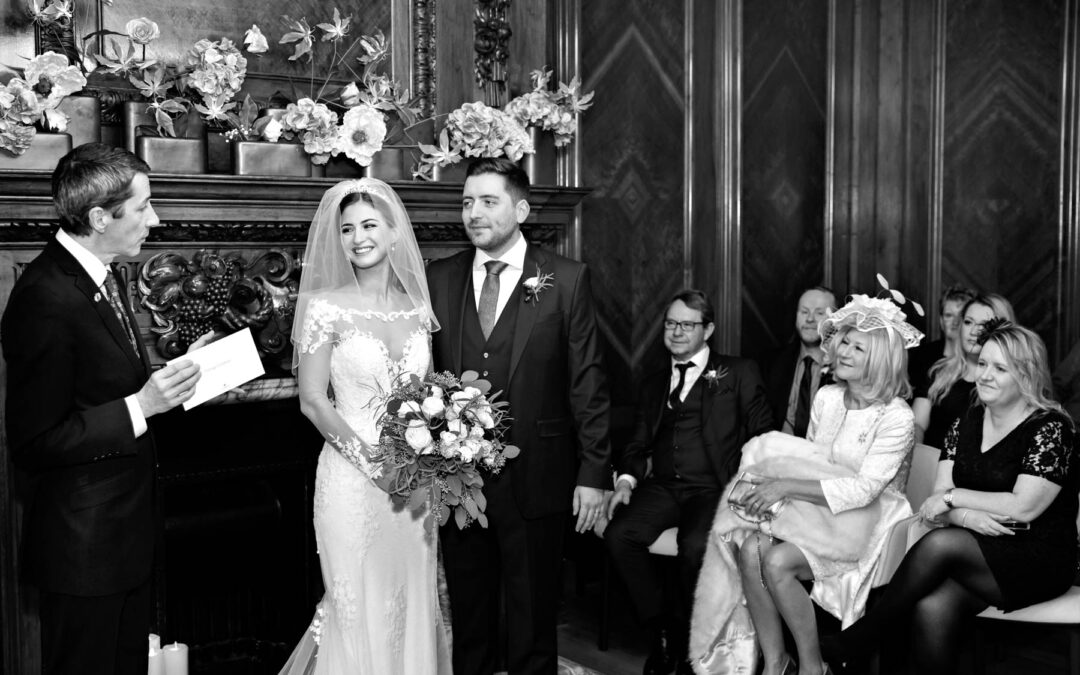
Stylish Marylebone Room Wedding
The Marylebone Room at The Old Marylebone Town Hall is such a classic and timeless room, with its high ceilings and wood panelled walls, ornately carved fire-pace and huge wooden doors. As such, it provides the perfect backdrop for a wedding featuring a beautiful,...
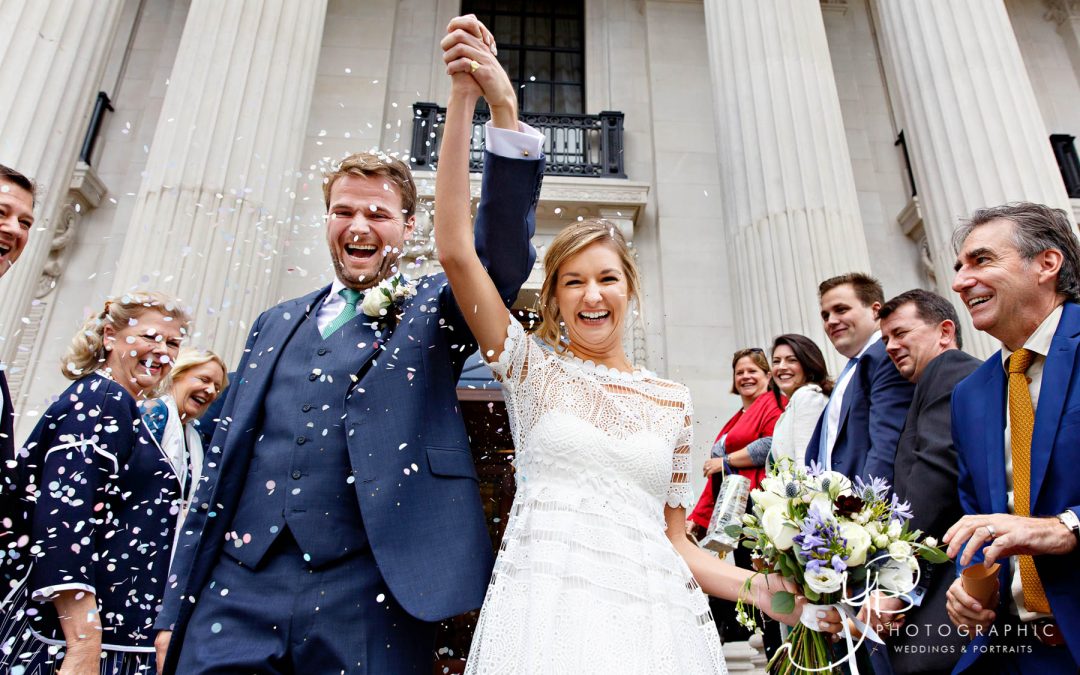
Pimlico Room Wedding at The Old Marylebone Town Hall
This post features the wedding of Tanya and Toby, who were looking for just 1.5 hours of coverage for their intimate Pimlico Room Wedding at The Marylebone Old Town Hall. This is exactly the sort of thing I specialiase in. The wedding party included a total of 17...
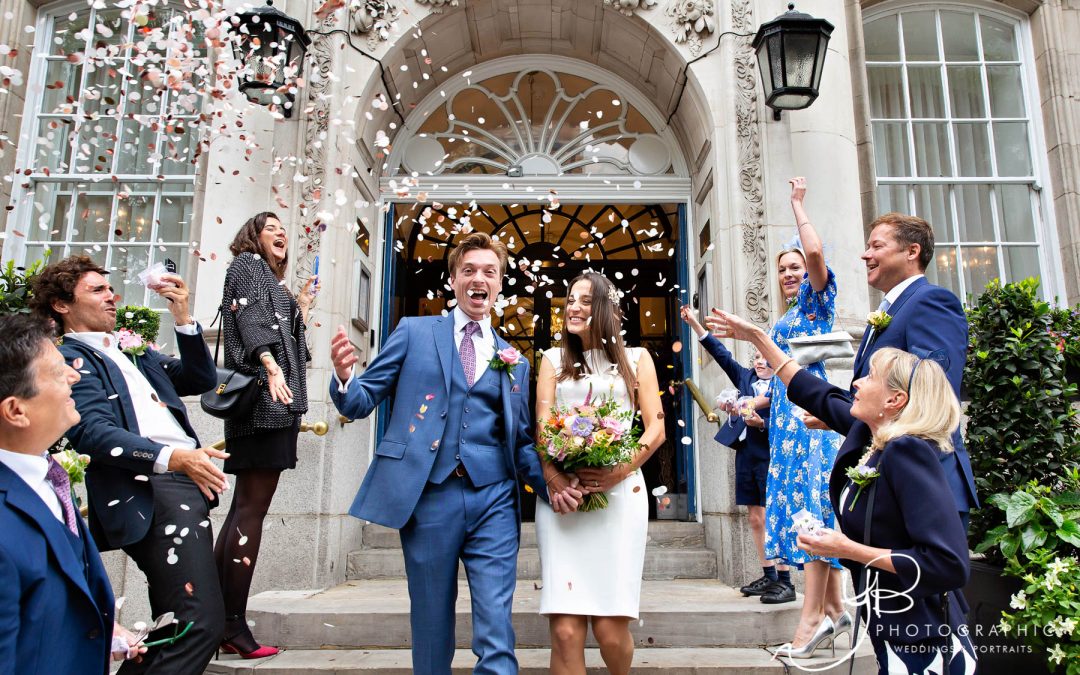
Socially Distanced Wedding at Chelsea Old Town Hall
It's been 4 months and a lot has changed in the world in that time, but I was thrilled to get back to work for my first socially distanced wedding at Chelsea Old Town Hall. Only a few days after register office wedding ceremonies were allowed to go ahead again, this...
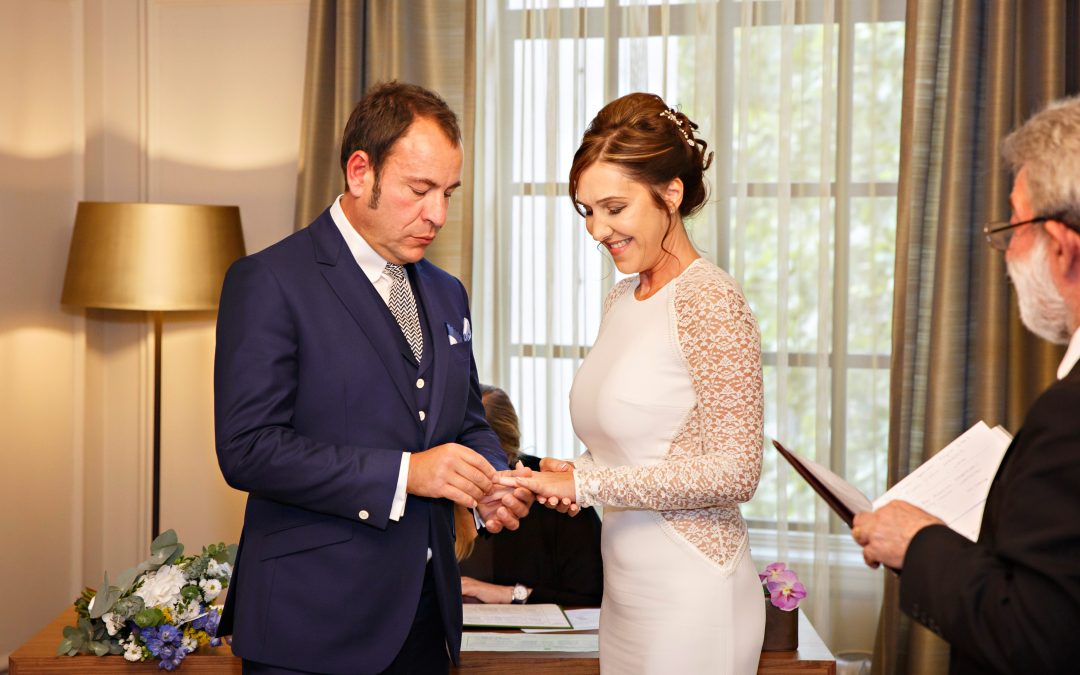
Soho Room Wedding at The Old Marylebone Town Hall
The Soho Room is one of the smallest ceremony rooms at The Old Marylebone Town Hall, perfect for intimate ceremonies of 13 seated guests or less. This was the perfect size for the wedding of Chris and Janine who tied the knot amongst just their most immediate family,...
Chelsea Register Office – Brydon Room Wedding Ceremony
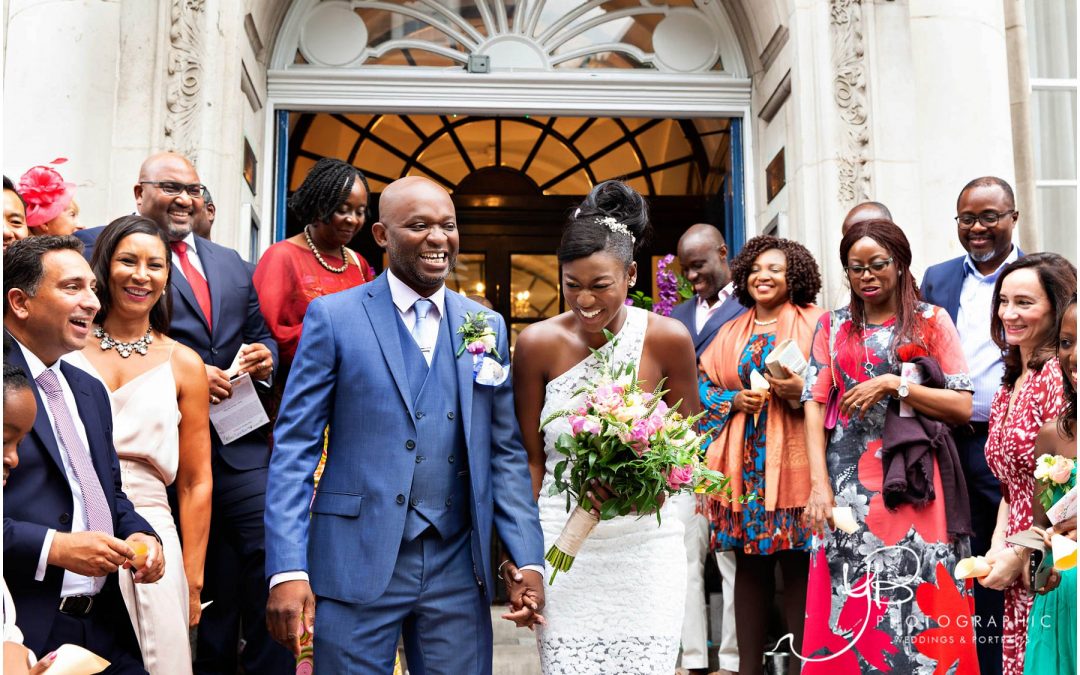
When you specialise in small weddings like I do, you end up photographing a LOT of wedding ceremonies. These are mostly booked following an indepth telephone conversation which gives me the opportunity to learn all about my clients plans. And that works really well....
Chelsea Old Town Hall Refurbishment – First Pictures!
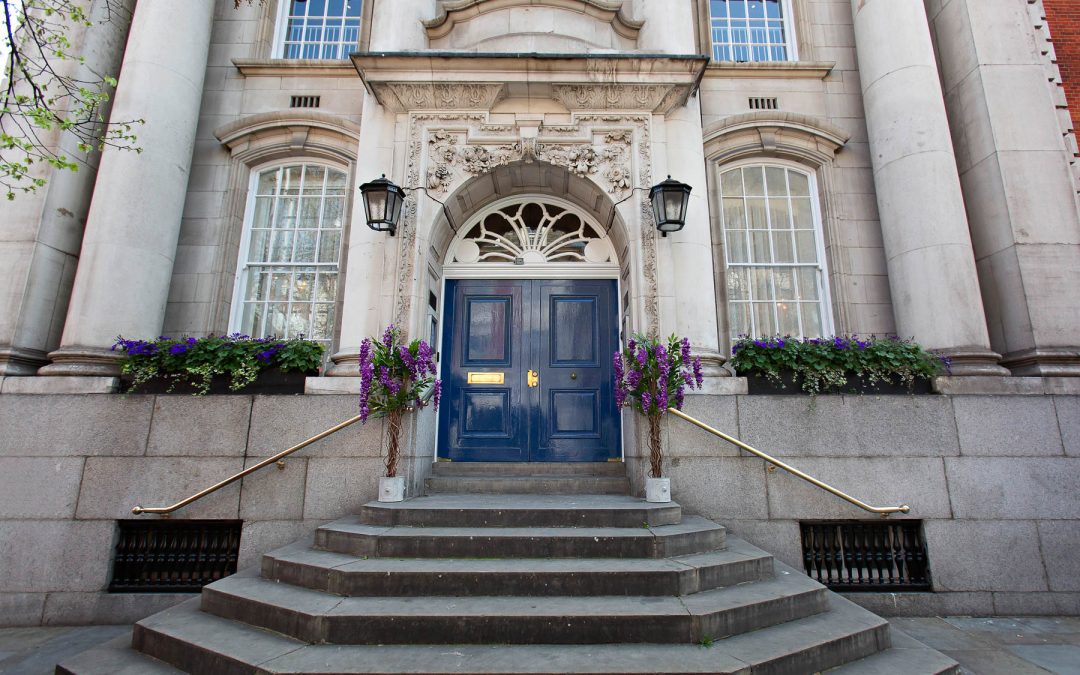
These are photos since the refurbishment during lockdown.
Soho Room and Regent’s Park Wedding Photography
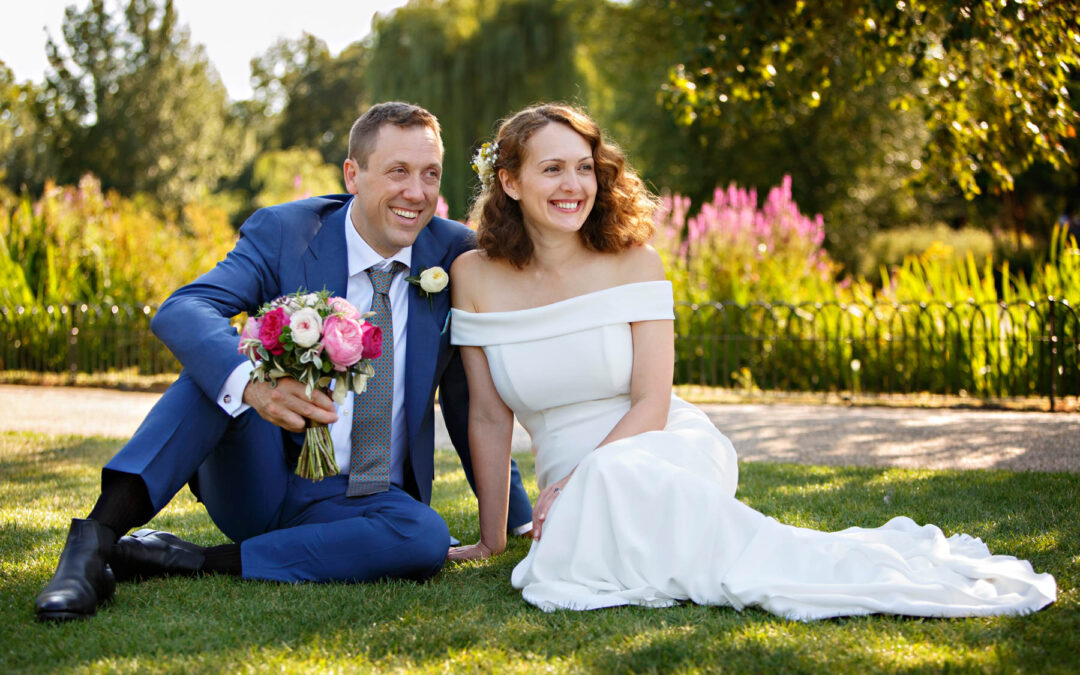
The Soho Room at The Old Marylebone Town Hall is the most intimate of the Westminster Register Office ceremony rooms, and this perfectly suited Canadian Dean and Lithuanian Ruza. Only Dean's most immediate family was able to travel from overseas to join the couple in...
Intimate Soho Room wedding ceremony
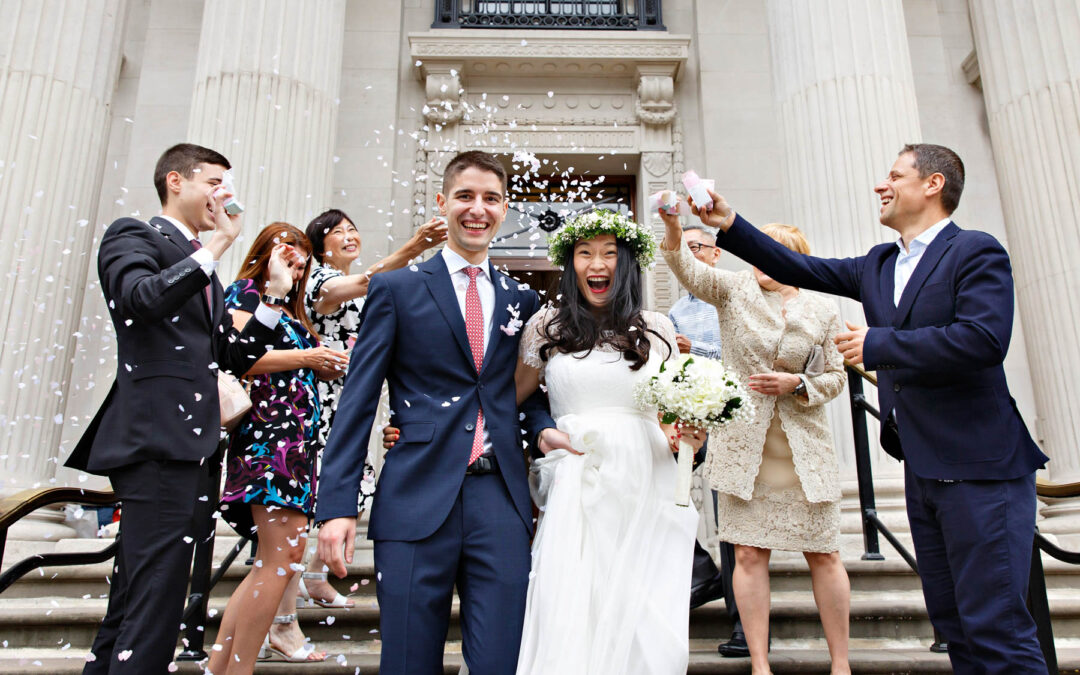
Old Marylebone Town Hall was an obvious choice for the intimate Soho Room wedding ceremony of Mulu and Lenko, who met when studying for their MBAs with London Business School, which has a base in the building. The adorable Chinese Mulu and Bulgarian Lenko just make...

Marylebone Room wedding photography
Here we are for my second visit in a week, back for some Marylebone Room wedding photography at Westminster Register Office. One of the interesting things about the newly refurbished Old Marylebone Town Hall, is that each room has its own character. The Marylebone...

Mayfair Room wedding
The Mayfair Room wedding of Christine and Ray is the first I've photographed at Old Marylebone Town Hall since it reopened after four years of renovations. I'm so excited to be back. It's such a beautiful building, and the 7 newly-decorated ceremony rooms look...